When Thomas Hanna coined the term somatics in 1976, he helped shift perceptions of the body onto the soma—the experiential body. T...
When Thomas Hanna coined the term somatics in 1976, he helped shift perceptions of the body onto the soma—the experiential body. The soma is grounded in subjective personal experience, not in the objective external perspective available through scientific fields such as anatomy or biology. It’s the difference, for instance, between describing your hands based on their size (objective information) and your own feeling of them tingling (subjective experience). The study of somatics emphasizes individual sensations and experiences. The intelligence of our senses provides a wealth of information that a scientific perspective doesn’t easily access.
It was only a matter of time before dancers and somatic practitioners—those who explore modalities like Authentic Movement, Continuum, Body-Mind Centering, Somatic Experiencing, and others—recognized that a body is in continuous dialogue with the environment, giving birth to ecosomatics. This growing field combines ecology with somatics.
The skin may provide a boundary and show us as distinct from a nearby chair or river, but the boundary is semipermeable. Moisture and temperature enter and exit through the skin. Hearing, seeing, tasting, touching, and smelling all show how the outside is also inside us. A car horn rattles our nerves. A cat curling up to sleep makes us smile. Garlicky lentil soup fuels our afternoon.
We are in relationship with everything around us, from a computer to a glass of water to the neighborhood dog barking at clouds. The modern reunderstanding of this interrelatedness gave rise to ecosomatics. Through this lens, nature and biology are seen as inseparable from who we are.
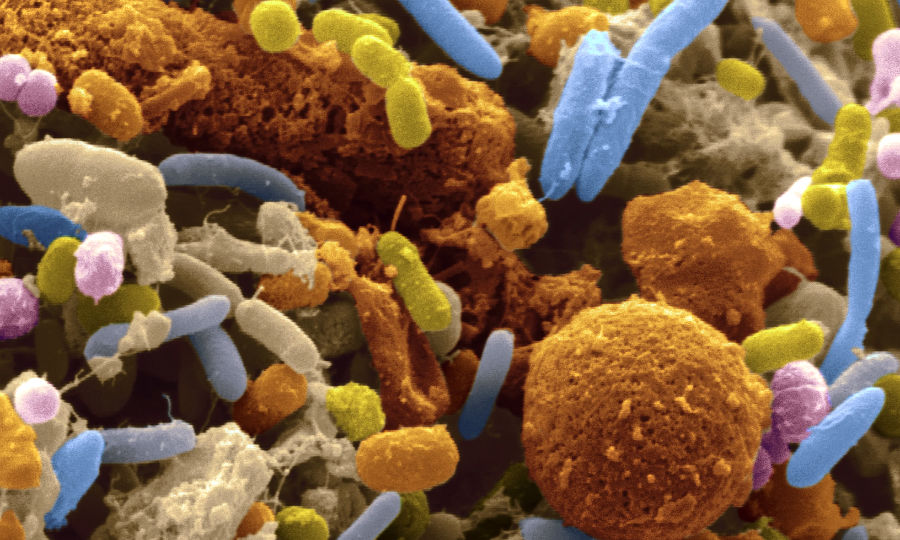
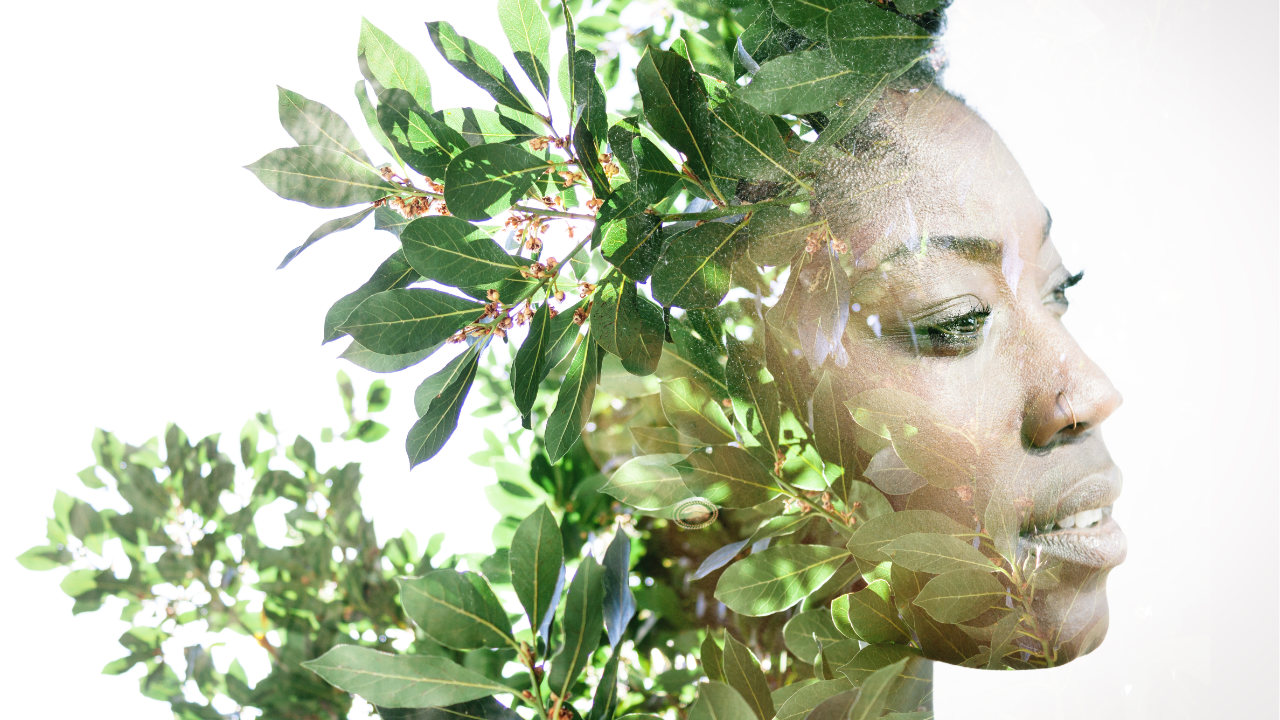
Here’s the clincher: Nature is not outside us. It is not the woods or mountains accessed only when we walk out the door of our home. We are nature. We are water, earth, fire, and air. We are cells, microbes, and bacteria. Ecosomatics recognizes the personal body as inextricable from the planetary body. Our body is part of the global ecosystem. The ecology of our body is part of the ecology of earth.
Everything connects. My words with your thoughts. Your thoughts with your motivation. Your motivation with a chosen action. The outside temperature with your mood. The level of the river with the length of your shower. The pollination of a crop with your food. The activity of your cells with the activity of microbes, fungus, and bacteria.
This shift into recognizing our body as interrelated and not solely a separate, self-contained form is pivotal. It shows how honey bees, monarch butterflies, gray wolves, manatees, lakes, soil, and air are as important as we are. Their health and ours are interconnected. The common idea that humans are primary is not only illusory but dangerous, as the climate crisis shows. Humans matter greatly, of course, but so does every plant, mineral, insect, and animal. Ecosomatics broadens the embodied experience of our flesh to include all sentient and insentient inhabitants of earth.
At the heart of ecosomatics is sensory embodiment tied to ecology, a timely idea given the stress on the planet. Ecosomatics encourages us to ground into our body along with the body of earth. It encourages us to heighten our senses and improve our innate natural intelligence. It asks us to place awareness on the ecology of our body and the flesh of earth. As we weather dramatic environmental changes and investigate what sustains us, we are urged to show up in our body more responsively. What is being called for is deep ecosomatic listening that puts us in touch with all of nature.
How to Practice Ecosomatics
Breathe
Take in a breath. Notice how air, which comes both from your immediate environment and from miles away, enters your nostrils, fills your lungs, and expands your torso. This air, always in continuous motion, is an invisible gas that is about 20 percent oxygen.
As you exhale, notice how air exits your nostrils and contracts your torso. You exhale carbon dioxide which, along with water and sunlight, is food for plants.
Eat
As you ingest food, notice the motion of your jaw and tongue. Sense flavors lighting up your mouth and delighting you. Upon swallowing, the food enters your esophagus and lands in the stomach, where it meets enzymes and acids that break down the food, which will become indistinguishable from your body. Did your food originate from a nearby garden or an overseas farm? What nutrients went into the soil that grew your food?
Sit Outside
Find a space outdoors where you can sit without looking at your phone. Dwell here for 10 to 20 minutes. Notice what you sense. What do you see, hear, smell, taste, and touch? What thoughts and emotions enter your awareness? Simply notice. Witness the arrival of this stream of sensory events.
Hike
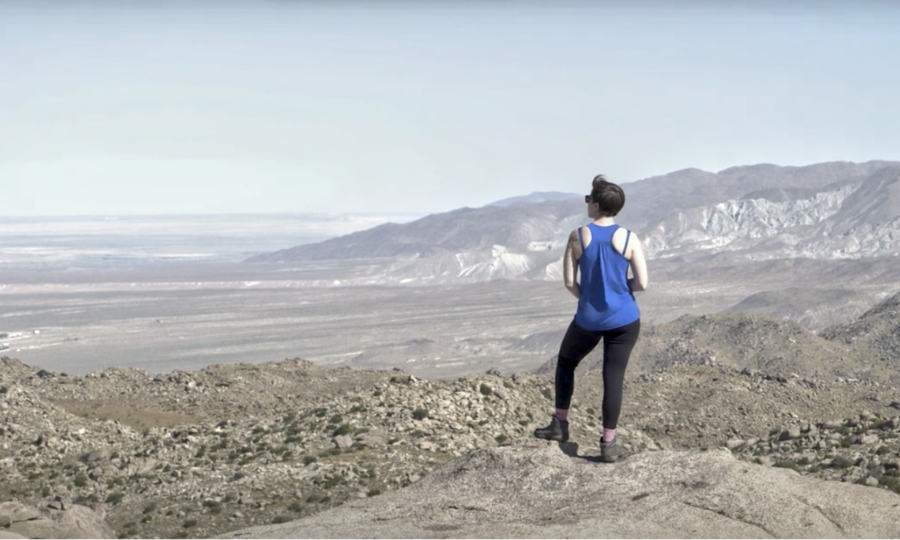
Select a location and pack essentials like food, water, and appropriate clothing. As your feet land upon the ground, notice how your feet adjust to the uneven terrain. Notice what plants, insects, and animals catch your attention. Observe how your heartbeat increases in reaction to exertion and temperature. Notice any shift in the content of your thoughts and mood.
Create Art
Write, draw, paint, dance, or play music. Notice what inspires you and where your attention gravitates. Is the source of your inspiration internal, external, or both? To what degree do you control your material or let it flow?
Study Your Local Ecology
What is the name of the tree, bird, or bug outside your home? Are they indigenous to your area or invasive? What is the source of the water that comes out of your faucet? What makes up the soil in your local park or green space?
Author
Cheryl Pallant, PhD.
Cheryl Pallant, PhD, is an energy healer, professor, poet, somatics coach, and dancer. She is the author of several books in nonfiction and poetry, most recently Ecosomatics: Embodiment Practices for a World in Search of Healing and Writing and the Body in Motion: Awakening Voice through Somatic Practice. She facilitates her popular workshop and retreat Writing From the Body, which blends writing with movement, meditation, and somatic awareness.
Learn more about her Cheryl Pallant at www.cherylpallant.com